You Gotta Taste This: My Harare Food Adventure Just Blew My Mind
When I landed in Harare, I wasn’t sure what to expect—but the food? Absolutely mind-blowing. From sizzling street snacks to rich traditional stews, every bite told a story. This isn’t just about eating; it’s about connecting with culture, one plate at a time. Let me take you through the flavors that made my check-in unforgettable. The warmth of the people, the rhythm of daily life, and the depth of culinary tradition revealed themselves first through taste. In a city where history and modernity coexist, food is the common language, spoken in open kitchens, bustling markets, and family homes. What I discovered was more than a menu—it was a map to understanding Zimbabwe’s soul.
First Impressions: Stepping Into Harare’s Culinary Scene
From the moment I stepped off the plane at Robert Gabriel Mugabe International Airport, the city’s culinary identity began to unfold. The air carried a warm, smoky scent—charcoal grills firing up for morning vendors, the faint sweetness of roasting maize lingering in the breeze. Unlike other capitals where fast food chains dominate arrivals, Harare greets travelers with the unmistakable aroma of home-cooked tradition. It’s a sensory welcome that immediately signals this is a place where food matters deeply. The first meal I shared was at a roadside kiosk near the airport perimeter, where a vendor served grilled beef skewers wrapped in soft maize flatbread. Simple, yes—but layered with flavor, seasoned with cumin and local herbs, and eaten with fingers. There was no menu, just a nod and a smile. That moment marked the beginning of a deeper connection.
What struck me most was how food functions as an instant bridge between strangers. Within hours of arrival, I found myself seated beside locals at a communal table, exchanging stories over shared platters. The conversation flowed easily, centered around what we were eating and where to find the best version in the city. This kind of interaction isn’t incidental—it’s built into the culture. Meals are rarely solitary; they are shared experiences, often beginning with a greeting and ending with an invitation. For a visitor, this openness makes Harare feel instantly accessible, even if you don’t speak Shona or Ndebele. The food does the talking.
Local markets, especially those just outside the airport corridor, serve as living introductions to Zimbabwean cuisine. Stalls overflow with bright bundles of greens, baskets of dried legumes, and pyramids of cornmeal—each ingredient a clue to the day’s meals. Vendors call out prices with pride, offering samples of roasted groundnuts or warm *maputi* (crispy roasted corn kernels). These early encounters are more than transactions; they’re mini cultural lessons. Watching how ingredients are sorted, stored, and presented reveals a deep respect for quality and seasonality. For travelers, these markets are not just places to shop—they are classrooms without walls, where the curriculum is flavor, tradition, and community.
Why does food become the fastest way to feel “at home” in a new city? Because it engages all the senses at once. The warmth of a freshly cooked meal, the rhythm of chopping and stirring, the laughter around a shared plate—these are universal signs of belonging. In Harare, that feeling starts the moment you taste something real, unfiltered, and deeply rooted in place. It’s not about luxury or presentation; it’s about authenticity. And for a traveler, especially one seeking meaningful connection, that authenticity is priceless.
Breakfast Like a Local: More Than Just Tea and Toast
Mornings in Harare unfold at a gentle pace, shaped by routine and ritual. As the sun rises over the city’s tree-lined streets, the scent of simmering porridge begins to drift from open kitchen windows. Breakfast here is not a rushed affair but a deliberate start to the day, often shared with family or neighbors. One of the first dishes I tried was *bota*, a thick maize porridge similar to polenta but with a uniquely Zimbabwean character. Served hot in a bowl, it’s typically stirred with milk and a spoonful of sugar, creating a creamy, comforting texture. Eating it with a wooden spoon, just as local children do on their way to school, felt like stepping into the rhythm of daily life.
Another breakfast staple is *sadza* in its softer, morning form—lightly steamed and rolled into small portions, often paired with a dollop of butter or a side of stewed fruit. I discovered a small vendor near my guesthouse who baked these rolls fresh every morning over a charcoal stove. The crust was slightly crisp, the inside tender and steaming. She wrapped each order in banana leaves, adding a subtle earthy aroma. Watching her work—measuring maize flour by hand, kneading the dough with practiced ease—was a quiet reminder of how much care goes into even the simplest meals. These rolls aren’t just food; they’re a tradition passed down through generations, a symbol of nourishment and continuity.
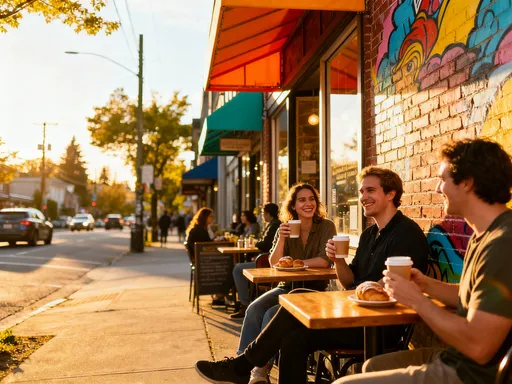
Communal breakfast spots, often little more than shaded tables under a mango tree or a covered patio, play a vital role in social life. Here, people gather not just to eat but to connect. I sat with a group of women who welcomed me with warm greetings and offered bites of their meals. One explained how breakfast is often the only time of day when extended family members are all awake and present. “We eat together, we talk, we plan,” she said. “The food feeds the body, but the company feeds the spirit.” This sense of collective care is woven into the meal itself—no one eats alone if others are nearby.
For travelers, finding authentic morning eats means stepping away from hotels and seeking out neighborhood hubs. Look for clusters of people gathering early, the sound of bubbling pots, or the sight of women in brightly colored dresses carrying steaming containers. These are the real breakfast destinations. And while language may be a barrier, a smile and a pointing finger go a long way. Don’t expect menus with photos or prices listed in USD—many vendors operate on trust and familiarity. But that’s part of the charm. Eating like a local means embracing the unknown, trusting the process, and savoring the moment when a stranger becomes a host.
Street Food Chronicles: Flavors on the Go
Harare’s street food scene is a vibrant, ever-moving tapestry of flavor and ingenuity. By mid-morning, vendors set up along sidewalks, near bus stops, and outside markets, offering quick, satisfying bites that fuel the city’s rhythm. One of the first things I tried was *madora*, a pungent relish made from dried caterpillars—a traditional protein source rich in history and nutrition. Served in small paper cones with a sprinkle of chili, it has a smoky, umami depth that surprised me with its complexity. Though not for the faint-hearted, it’s a beloved snack, especially in rural areas where foraging for edible insects remains a common practice.
Another favorite is *maputi*, roasted corn kernels that are crunchy, slightly sweet, and often seasoned with salt or chili. Sold in repurposed plastic bags or folded newspaper, it’s the perfect snack to munch while walking through the city. I found some of the best near the Kopje, a historic hilltop park, where vendors roast the corn in large metal drums over open flames. The process is mesmerizing—shoveling kernels, stirring with long sticks, and calling out to passersby with rhythmic chants. The sound of popping corn blends with the city’s hum, creating a soundtrack of daily life.
Spiced meat skewers, locally known as *nyama choma*, are another street food staple. Thin strips of beef or goat are marinated in a blend of garlic, ginger, and local spices, then grilled over hot coals until charred at the edges. I tried mine at a bustling corner in Mbare, where the vendor layered the meat with slices of onion and a squeeze of lemon. The combination was bold and satisfying, the kind of meal that sticks to your ribs and warms you from within. What impressed me most was the care taken in preparation—each skewer was cooked to order, the vendor watching the flames with focused attention.
For safety, I followed a few simple rules: eat where the crowd is thickest, watch the food being cooked fresh, and avoid anything sitting out in the open. Most vendors use clean tongs or gloves, and many have small basins of soapy water nearby for handwashing. Hydration is key, so I paired every meal with bottled water or a local drink like *amate*, a mildly fermented beverage made from maize or sorghum. It has a tangy, yogurt-like taste and is believed to aid digestion—a perfect companion to rich street food. The beauty of Harare’s street cuisine is that it’s not just about convenience; it’s a celebration of resourcefulness, flavor, and community.
Sadza: The Heartbeat of Zimbabwean Cuisine
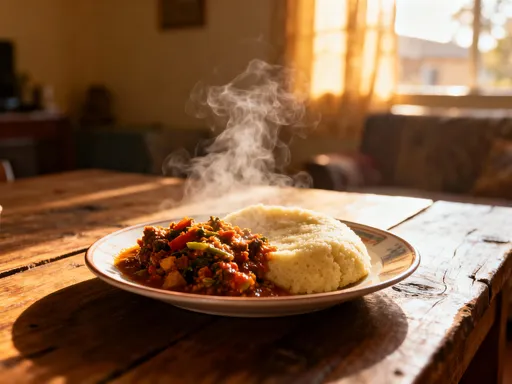
No journey through Harare’s food culture is complete without understanding *sadza*, the thick maize porridge that forms the foundation of most meals. It’s more than a staple—it’s a symbol of sustenance, family, and tradition. I had my most memorable experience with *sadza* during a home visit arranged through a cultural tourism initiative. A local family invited me into their home in the Warren Park neighborhood, where the mother and grandmother prepared the meal together in an outdoor kitchen. The process was meditative: boiling water in a large pot, slowly pouring in white maize meal while stirring constantly with a wooden spoon called a *mvura*. The rhythm never wavered, ensuring the mixture cooked evenly and achieved the perfect dense, dough-like consistency.
When served, *sadza* is shaped into a smooth mound on a plate, ready to be paired with a variety of relishes known as *ndiyo*. That day, we enjoyed *nyembwa* (okra stew), its slippery texture balanced by a sharp tomato and onion base, and *muriwo une nyama* (boiled leafy greens with chunks of beef). Eating *sadza* is a tactile experience—pinching off a small piece, rolling it in the fingers, and using it to scoop up the relish. There are no forks or knives, just hands and hunger. The first few attempts were clumsy, but my hosts laughed kindly and showed me the proper technique. “It’s not about perfection,” the grandmother said. “It’s about sharing.”
The cultural significance of *sadza* runs deep. It’s served at weddings, funerals, and family gatherings—any moment that calls for unity. In rural areas, the preparation is often a communal task, with women gathering to cook in large groups. Even in the city, where time is tighter, many families still prioritize making *sadza* from scratch rather than using instant versions. This dedication speaks to its emotional weight. For travelers, sharing a *sadza* meal is one of the most intimate ways to connect with Zimbabwean hospitality. It’s not a performance for tourists; it’s a real, unfiltered moment of daily life.
What makes *sadza* a must-try for visitors is not just its taste but its role as a cultural anchor. It represents resilience, simplicity, and the enduring value of home-cooked food. In a world of fast meals and global chains, *sadza* stands as a reminder that some things are worth slowing down for. To eat it is to participate in a tradition that has fed generations—and to leave the table feeling not just full, but welcomed.
Modern Twists: Where Tradition Meets Innovation
While tradition runs deep in Harare’s kitchens, a new wave of culinary creativity is emerging in its restaurants. Young chefs, trained locally and abroad, are reimagining Zimbabwean flavors with modern techniques and global influences. One evening, I dined at a fusion bistro in the Borrowdale neighborhood, where the menu featured dishes like *sadza* croquettes with smoked tomato aioli and grilled mopane worms served on a bed of quinoa. At first, the idea of reinventing such sacred staples felt risky—but the execution was respectful, even reverent. Each dish honored the original ingredient while presenting it in a new light.
The beverage menu was equally inventive. Alongside international wines and craft beers, the restaurant offered house-made ginger beer, fermented with local honey and served over ice with a slice of lime. I also tried *amate*, a traditional drink I’d seen in rural areas, now presented in a chilled glass with a sprig of mint. The fermentation gave it a slight fizz and a tangy depth, making it both refreshing and grounding. These modern interpretations don’t replace tradition—they expand it, making Zimbabwean cuisine accessible to younger generations and curious visitors alike.
What stood out was the chef’s commitment to sourcing. Every ingredient came from local farms or markets—maize from Mashonaland, herbs from the Eastern Highlands, beef from nearby ranches. This farm-to-table ethos isn’t a trend here; it’s a necessity and a point of pride. By highlighting regional produce, these chefs are also preserving culinary heritage. One server explained that many younger Zimbabweans grew up eating imported foods and are now rediscovering their own flavors through these modern presentations. “It’s not just about taste,” she said. “It’s about identity.”
These urban eateries strike a careful balance—respecting authenticity while embracing innovation. They’re not trying to be Paris or London; they’re building something uniquely Harare. For travelers, dining at such places offers a dual perspective: a taste of the past and a glimpse of the future. It’s proof that tradition doesn’t have to be static to be meaningful. In fact, it’s often in the act of reinvention that culture stays alive.
Market Immersion: Mbare Musika as a Sensory Playground
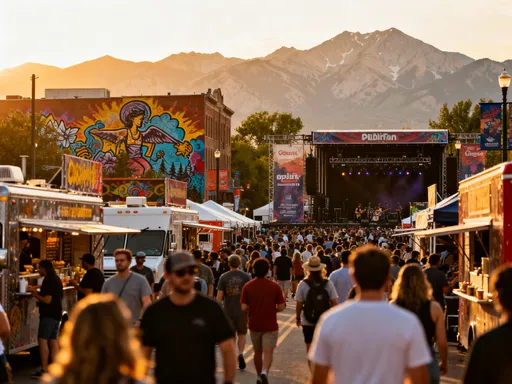
No food journey in Harare is complete without a visit to Mbare Musika, the city’s largest and most vibrant fresh produce market. Spanning several blocks, it’s a symphony of color, sound, and scent. Stalls overflow with pyramids of tomatoes, baskets of purple eggplant, and mounds of golden pumpkins. Vendors sit beside heaps of dried fish, bundles of wild herbs, and sacks of raw coffee beans. The air is thick with the perfume of ripe mangoes, the earthiness of mushrooms, and the sharp tang of fermented grains. Walking through Mbare Musika is not just shopping—it’s sensory immersion.
One of the most fascinating finds was *hunger thorns*—a spiky green fruit native to the region, known for its sour taste and medicinal properties. A vendor explained how it’s used in stews or brewed into a tea for digestive health. Nearby, an elder woman displayed a collection of wild herbs I couldn’t name, each with its own use—some for flavor, others for healing. These ingredients aren’t just food; they’re part of a living knowledge system passed down orally through generations. Many vendors are happy to share cooking tips, offering advice on how to prepare a tough green or balance the bitterness of certain leaves.
What makes Mbare Musika so special is the human connection. I spent nearly an hour talking to a woman who sells dried legumes, learning how she sources from smallholder farmers and sorts each batch by hand. Her pride in her work was evident. “This is not just business,” she said. “It’s my life.” These interactions go beyond commerce—they’re exchanges of culture, trust, and dignity. For travelers, the market offers deeper insight than any guided tour. It reveals how food is grown, traded, and valued in everyday life.
And yet, Mbare Musika is not just for locals. More tourists are beginning to explore its aisles, guided by cultural tours or curiosity. But the market hasn’t lost its authenticity. There are no souvenir stands or staged performances—just real people doing real work. To walk through Mbare Musika is to witness the heartbeat of Harare’s food system, where tradition, resilience, and community converge in every transaction.
Practical Tips for Food-Focused Travelers in Harare
For those planning a culinary journey to Harare, timing can make all the difference. The best months to visit are April through June, when the weather is mild and harvests are in full swing. This is also when food festivals like the Zimbabwe International Food Festival take place, offering a curated taste of the country’s regional cuisines. Street food is available year-round, but seasonal specialties—like wild mushrooms in the rainy season or roasted peanuts during harvest—add extra flavor to the experience.
When it comes to payments, cash remains king, especially in markets and street stalls. While mobile money platforms like EcoCash are widely used by locals, many vendors still prefer physical currency. It’s wise to carry small denominations of Zimbabwean dollars or US dollars, which are commonly accepted. Always have clean bills on hand, as torn or marked notes may be refused. At upscale restaurants, credit cards are usually accepted, but it’s best to confirm in advance.
Food safety is a common concern, but with simple precautions, it’s easy to enjoy meals without discomfort. Stick to vendors who cook food to order, avoid ice unless you’re sure it’s made from purified water, and drink only sealed bottled water. If you’re unsure about an ingredient, don’t hesitate to ask—most locals appreciate the interest and will explain with pride. Carrying hand sanitizer or wet wipes is also helpful, especially when eating street food.
For those with dietary restrictions, communication is key. While vegetarian options are common—many traditional dishes are plant-based—vegan travelers may need to clarify that some relishes contain animal fat. Gluten-free diets can be challenging, as maize is central to most meals, but fresh fruits, grilled meats, and certain vegetables are safe choices. The most important thing is to approach each meal with respect and curiosity. A simple “May I ask how this is prepared?” goes a long way in building trust and ensuring a safe, enjoyable experience.
Conclusion: More Than a Meal—A Cultural Connection
Looking back, my Harare food adventure was about far more than taste. It was about connection—between people, traditions, and places. Every meal, from a roadside snack to a home-cooked feast, opened a door to understanding. I didn’t just eat Zimbabwean food; I lived it. I learned the rhythm of the kitchen, the value of shared plates, and the pride that comes from preparing something with care. These moments weren’t staged for tourists; they were real, generous, and deeply human.
What stays with me most is the hospitality. Strangers invited me to eat, taught me how to roll *sadza*, and shared stories over steaming bowls of stew. In a world that often feels divided, Harare reminded me how food can unite. It doesn’t require grand gestures—just a plate, a seat, and an open heart. For future visitors, I offer this: come hungry, but come humble. Let your taste buds lead you, but let your curiosity guide you deeper. Ask questions. Smile. Accept the invitation.
In Zimbabwe’s capital, every dish is a doorway to belonging. The flavors are bold, the traditions rich, and the people welcoming. To eat in Harare is not just to satisfy hunger—it is to be welcomed into a culture that feeds both body and soul. So go ahead. Take the first bite. You might just find, as I did, that the most unforgettable journeys begin on a plate.