What Happens When You Hit the Road in Sabah? Culture, Cliffs, and Unfiltered Moments
Driving through Sabah feels like flipping through the pages of a living travel journal—each turn reveals something raw and real. I didn’t just visit villages, coastlines, and markets—I experienced them on four wheels, at my own pace. From hillside farms to coastal communities, self-driving unlocked authentic cultural moments you’d miss on a tour bus. This isn’t just about getting from A to B—it’s about who you meet, what you taste, and how the journey changes you. The rhythm of the road becomes a quiet teacher, revealing stories not in guidebooks, but in shared smiles, roadside feasts, and the unexpected warmth of strangers. In Sabah, every kilometer traveled brings you closer to the soul of Malaysian Borneo.
Why Self-Driving in Sabah Opens More Than Just Roads
Choosing to self-drive through Sabah is more than a logistical decision—it’s a commitment to deeper cultural immersion. Unlike guided tours that follow rigid itineraries and time-limited stops, having your own vehicle allows for spontaneity, extended conversations, and unplanned detours that often lead to the most memorable experiences. The freedom to pause at a wayside fruit stall, linger at a riverside village, or follow a local’s suggestion to a hidden waterfall transforms travel from observation into participation. This kind of journey respects the natural rhythm of rural life, where time moves not by the clock, but by the sun, the tide, and community rituals.
Sabah’s geography is as diverse as its cultures, stretching from coastal plains to mountain highlands and dense rainforests. Public transportation exists but is often limited in rural areas, making self-driving the most practical and enriching way to explore. With a car, you gain access to remote communities such as the Murut longhouses in the interior or the Bajau stilt villages along the west coast—places rarely included in standard tour packages. These are not tourist exhibits but living environments where traditions are passed down through generations, and daily life unfolds with quiet dignity.
Moreover, self-driving fosters a sense of personal responsibility and mindfulness. When you navigate the roads yourself, you become more attuned to your surroundings—the changing landscape, the shift in dialects, the variety of crops grown at different elevations. You learn to read the subtle signs of local life: a cluster of motorbikes outside a longhouse might mean a family celebration; a line of women carrying woven baskets could signal a market day. These observations deepen your understanding far beyond what a tour guide can convey. The journey becomes a dialogue between traveler and place, built on curiosity, respect, and presence.
Starting in Kota Kinabalu: Where Modern Meets Tradition
Kota Kinabalu, the capital of Sabah, offers the perfect introduction to the region’s cultural duality. Skyscrapers rise beside traditional wooden boats bobbing in the harbor, and shopping malls stand just minutes from bustling wet markets where fishermen unload their morning catch. Driving through the city allows you to experience these contrasts at your own pace, weaving between modernity and heritage with ease. The city serves as a gateway—not just to natural wonders like Mount Kinabalu, but to the living cultures that define Sabah.
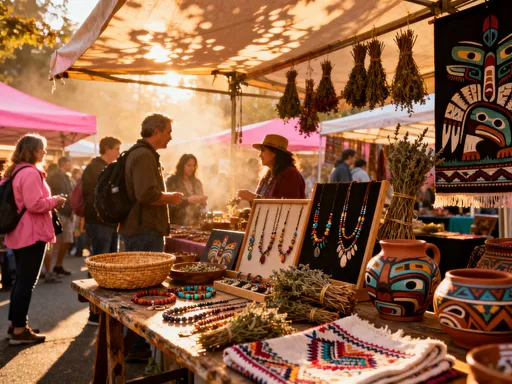
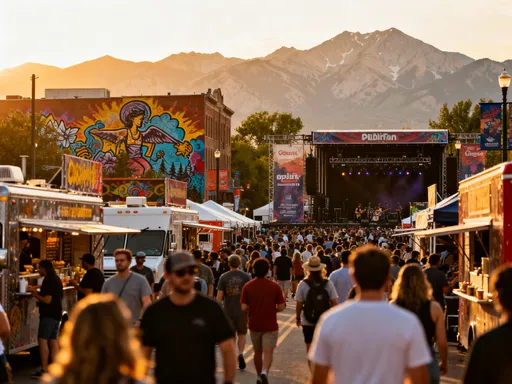
One of the most vibrant experiences is visiting the Sunday Market on Gaya Street, a sprawling bazaar that comes alive every weekend. By car, you can arrive early to avoid the crowds and spend hours exploring stalls filled with indigenous crafts, handwoven textiles, and local delicacies. You’ll find Murut beadwork, Kadazan-Dusun rice wine, and Bajau woven mats—each item telling a story of identity and artistry. The market isn’t just a shopping destination; it’s a cultural crossroads where elders teach children traditional songs and where visitors are welcomed with warm smiles and patient explanations.
Just a short drive from the city center lies Putatan, a district known for its heritage in traditional handicrafts. Families here have preserved weaving and pottery techniques for generations, often working from their homes or small community workshops. Self-driving allows you to visit these artisans without rushing, giving time to observe their processes, ask questions, and even participate in a short workshop. Many women welcome guests into their courtyards, sharing stories as their hands move deftly over looms or clay. These intimate encounters, made possible by the flexibility of self-driving, create lasting memories far beyond any souvenir.
Day trips from Kota Kinabalu further showcase the advantages of having your own vehicle. You can visit the nearby Klias Peninsula to see fireflies at dusk, stop at a floating seafood restaurant in Kampung Deepal, or explore the mangrove forests by boat—all without relying on fixed schedules. The ability to adapt your plans based on weather, energy levels, or local recommendations ensures a more authentic and satisfying experience. In a place where life unfolds slowly and naturally, self-driving allows you to move in harmony with that rhythm.
The Journey North: Coastal Roads and Bajau Seafaring Heritage
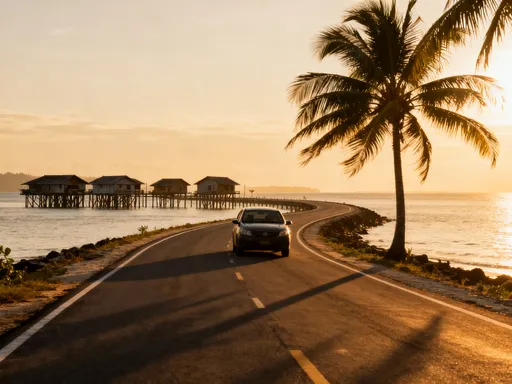
Heading north from Kota Kinabalu along the West Coast Road toward Kudat, the landscape gradually shifts from urban sprawl to open coastline and fishing villages. This stretch of road traces the traditional homeland of the Bajau people, often referred to as “Sea Nomads” for their centuries-old maritime lifestyle. Driving this route offers a rare glimpse into a culture deeply connected to the sea, where stilt houses rise above the water, children learn to swim before they walk, and wooden boats remain the primary means of transport.
Along the way, small jetties dot the shoreline, each serving as a hub of daily life. Fishermen mend nets under shaded shelters, women clean the day’s catch on wooden planks, and elders sit on low stools sharing stories in hushed tones. Stopping to observe—or better yet, to ask permission to walk the jetty—can lead to meaningful interactions. Many Bajau are welcoming to respectful visitors, often offering a taste of freshly grilled fish or explaining how they navigate by the stars and tides. These moments of connection are not staged for tourists; they are part of an ongoing way of life.
In villages like Sikuati and Saliwangan, the Bajau maintain traditions that are increasingly rare in the modern world. Young men still practice traditional diving techniques, plunging into the sea with minimal gear to harvest sea cucumbers and pearls. Women create intricate woven mats and baskets, using patterns passed down through generations. By driving at your own pace, you can spend time in these communities, attending a local ceremony or simply sharing a meal. The absence of crowds allows for genuine exchange, where curiosity is met with openness rather than performance.
The journey north also highlights the importance of sustainable tourism. While the Bajau way of life is resilient, it faces pressures from environmental change and economic shifts. Responsible travelers can support local economies by purchasing handmade crafts, eating at family-run seafood stalls, and respecting sacred spaces. Self-driving enables this kind of mindful tourism—where you choose whom to support and how to engage. It transforms the road into a pathway of mutual respect, where cultural preservation is not a museum exhibit, but a living, evolving practice.
Keningau to Tenom: Highland Villages and Coffee Trails
Leaving the coast behind, the drive from Keningau to Tenom takes you into the heart of Sabah’s highlands, where mist-clad hills roll like waves and the air carries the earthy scent of coffee. This region is home to the Murut and Dusun communities, indigenous groups known for their agricultural expertise and deep connection to the land. The winding roads, shaded by banana trees and pepper vines, lead to family-run farms where coffee is still roasted in small batches over open flames.
Coffee in Tenom is more than a crop—it’s a symbol of resilience and tradition. Local farmers grow Liberica beans, a rare variety with a bold, smoky flavor distinct from the more common Arabica and Robusta. Many families have been cultivating coffee for decades, using methods that prioritize sustainability over mass production. By driving through the area, you can visit these farms directly, often welcomed with a cup of freshly brewed coffee served in a bamboo mug. The farmers are eager to share their knowledge, explaining how they process the beans, manage pests naturally, and preserve soil health through crop rotation.
Beyond coffee, the highland villages offer insights into traditional farming practices. Rice terraces cling to the hillsides, maintained using age-old techniques that reflect a deep understanding of the ecosystem. Fruit orchards yield mangoes, rambutans, and pineapples, often sold at roadside stands where drivers can stop and chat with the growers. These encounters are not transactional; they are exchanges of respect and appreciation. A simple “thank you” in the local dialect can open doors to stories about harvest festivals, ancestral beliefs, and the challenges of modern farming.
Self-driving allows you to align your journey with the agricultural calendar. If you visit during the paddy planting or harvesting season, you might be invited to observe or even participate in communal work. Similarly, local festivals such as the Kaamatan harvest celebration often take place in village halls or longhouses, and having your own vehicle means you can attend without relying on uncertain public transport. These experiences foster a deeper appreciation for the rhythms of rural life, where community and tradition remain central.
The Scenic South: Sipitang and the Murut Heartland
In the southwestern corner of Sabah lies Sipitang, a quiet district that remains largely untouched by mass tourism. This is the ancestral land of the Murut people, one of Sabah’s oldest indigenous groups. Driving through Sipitang feels like stepping into a different era—forested valleys stretch endlessly, rivers cut through limestone cliffs, and traditional longhouses stand on stilts above the floodplain. Here, culture is not performed for visitors; it is lived with quiet pride and deep spiritual significance.
Visiting a Murut longhouse is one of the most profound cultural experiences in Sabah. These communal homes, sometimes housing multiple families, are built from wood and palm thatch, with intricate carvings and beadwork adorning the entrances. When guests arrive, they are often greeted with a traditional welcome ceremony featuring gong music, drumming, and the serving of lihing, a fermented rice wine. The ceremony is not a show—it is a sacred act of hospitality, rooted in centuries of tradition. Self-driving allows you to visit these longhouses with advance notice and proper respect, ensuring that your presence is welcomed and meaningful.
Inside the longhouse, elders share stories of headhunting days (now a historical memory), ancestral spirits, and the importance of communal living. Women demonstrate beadwork, creating elaborate patterns that signify identity, status, and lineage. Children listen intently, absorbing the oral history that binds their community together. As a visitor, you are not just observing—you are being included, even if only for a short time. The experience fosters humility and gratitude, reminding us of the value of intergenerational wisdom and collective belonging.
Responsible tourism is essential in such sacred spaces. Visitors should dress modestly, remove shoes before entering, and always ask permission before taking photographs. A small gift—such as packaged snacks, school supplies, or basic household items—is a thoughtful gesture of appreciation. By approaching these visits with mindfulness and respect, travelers contribute to cultural preservation rather than exploitation. Self-driving supports this ethical approach by allowing you to plan visits in coordination with community leaders, avoiding disruptions to daily life.
Roadside Encounters: Food, Markets, and Unplanned Stops
Some of the most authentic cultural moments in Sabah happen not at major attractions, but along the roadside. A woman sitting under a tarp selling tuhau, a pungent wild ginger pickle, might invite you to taste her wares and share a story about her garden. A sudden burst of music from a village hall could signal a wedding celebration, with guests dancing in traditional attire. These unplanned stops, made possible by self-driving, often become the highlights of a journey.
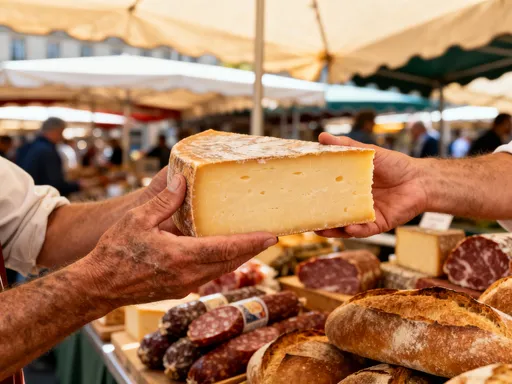
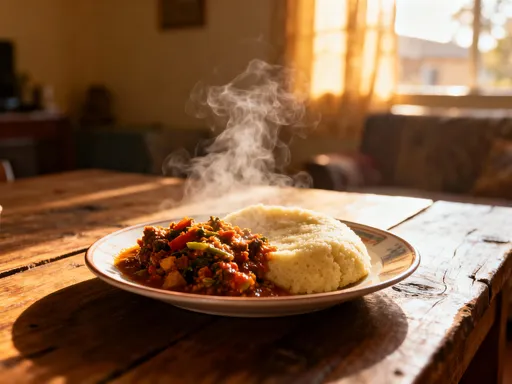
Food is a universal language, and in Sabah, it speaks volumes about identity and heritage. Hinava, a Kadazan-Dusun dish of raw marinated fish with lime, chili, and ginger, is often sold at roadside stalls or during local markets. Stopping to try it—paired with a cup of hot tea or fresh coconut water—opens the door to conversation. The vendor might explain how the fish is sourced from nearby rivers or how the recipe has been passed down from her grandmother. These interactions turn a simple meal into a lesson in culture, sustainability, and family.
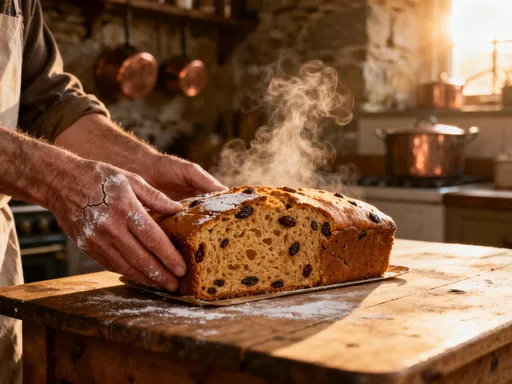
Other roadside finds include sago pancakes cooked over charcoal, bamboo rice steamed with coconut milk, and fresh durian during harvest season. Each bite carries the flavor of the land and the labor of local hands. By supporting these small-scale vendors, travelers contribute directly to rural economies. Self-driving makes it easy to carry home local products—jars of homemade chili paste, bundles of aromatic herbs, or hand-carved wooden spoons—knowing they were purchased ethically and with gratitude.
These spontaneous moments also cultivate patience and presence. When a road is blocked by a village procession or a buffalo crossing, the instinct might be to feel delayed. But in Sabah, such interruptions are not inconveniences—they are invitations to slow down and observe. A child waving from a bicycle, an elder waving from a porch, a dog napping in the shade—these small details compose the true portrait of a place. Self-driving teaches you to embrace the unexpected, to find joy in the unplanned, and to travel not as a consumer, but as a guest.
Practical Tips for a Culturally Rich Self-Drive Trip
Planning a self-drive journey through Sabah requires preparation, but the rewards far outweigh the effort. The best time to travel is during the dry season, from March to October, when roads are more reliable and outdoor activities are accessible. While major highways are well-maintained, rural roads can be narrow, unpaved, or affected by rain. A four-wheel-drive vehicle is recommended, especially for highland or remote areas. Renting from reputable agencies in Kota Kinabalu ensures a safe and well-serviced car.
Navigation can be challenging, as GPS signals are often weak or inaccurate in mountainous or forested regions. Instead of relying solely on technology, engage with locals. Gas station attendants, market vendors, and village elders are often the best sources of directions and road conditions. Learning a few basic phrases in Bahasa Malaysia—such as “Terima kasih” (thank you) and “Di mana tandas?” (where is the restroom?)—goes a long way in building goodwill.
When visiting villages or longhouses, always seek permission before entering. Dress modestly, avoid loud behavior, and refrain from intrusive photography. Bringing a small gift, such as packaged food or school supplies, is a respectful gesture. It’s also important to be mindful of religious and cultural sensitivities—some communities observe quiet hours or restrict visits during ceremonies.
Finally, practice slow travel. Allow time for rest, reflection, and spontaneous discoveries. Eat at local stalls, stay in family-run guesthouses, and support community-based tourism initiatives. By traveling with intention and respect, you become part of a positive cycle—one that honors Sabah’s cultures, empowers local communities, and enriches your own understanding of the world.
More Than a Drive—A Cultural Connection
A self-drive journey through Sabah is not merely a vacation—it is a transformation. The road becomes a bridge between worlds, connecting travelers with people whose lives are rooted in tradition, resilience, and harmony with nature. Every conversation, every shared meal, every quiet moment in a longhouse adds depth to the experience, turning a simple trip into a meaningful exchange.
In an age of fast travel and curated experiences, Sabah reminds us of the value of slowness, authenticity, and human connection. Self-driving allows you to travel at the pace of life itself—unhurried, observant, and open-hearted. It invites you not just to see culture, but to feel it, taste it, and carry a piece of it with you.
As you return home, the memories linger not in photographs, but in the warmth of a shared smile, the rhythm of a gong, the flavor of coffee roasted over fire. The road in Sabah does not just lead to destinations—it leads to people. And in meeting them, you discover not only their world, but a deeper part of your own.