How Massage Therapy Changed My Recovery Game – A Real Talk Guide
Recovering from injury or chronic pain can feel like running in quicksand—exhausting and slow. I’ve been there. After months of frustration, I discovered massage therapy wasn’t just about relaxation—it became a core part of my rehabilitation. It helped me move better, heal faster, and regain control. This is my story, backed by science, on how a systematic approach to massage therapy can support recovery—without replacing professional medical care. What began as a search for relief turned into a deeper understanding of how the body heals, how pain works, and how small, consistent choices can create meaningful change. This guide is for anyone who’s tired of hitting plateaus, feeling stuck, or just looking for a smarter way to support their body’s recovery.
The Hidden Struggle Behind Recovery
Recovery is rarely a straight line. For many, it’s a winding path filled with setbacks, confusion, and emotional exhaustion. While the physical symptoms of injury—pain, stiffness, limited movement—are visible, the mental and emotional toll often goes unnoticed. Feelings of frustration, isolation, and even hopelessness can quietly build when progress stalls or pain persists. This emotional burden is real and can significantly impact healing. The mind and body are deeply connected, and when stress or anxiety lingers, it can amplify physical discomfort and slow recovery.
Many people assume that following a doctor’s orders and attending physical therapy sessions are enough to ensure a full recovery. While these are essential, they don’t always address the full picture. Some individuals hit a plateau where movement improves only slightly, pain lingers despite treatment, or muscle tension keeps returning. This is where gaps in care often appear. Traditional rehabilitation focuses on restoring function through exercise and medical intervention, but it may not fully target soft tissue health, circulation, or nervous system regulation—areas where massage therapy can play a supportive role.
Another common challenge is the lack of clear guidance. After an injury, patients are often given exercises and timelines, but few receive personalized advice on how to manage daily discomfort or optimize healing between appointments. This uncertainty can lead to overexertion or, conversely, too much rest, both of which can delay progress. Without a structured approach, recovery becomes reactive rather than proactive. People end up waiting for their next appointment instead of actively participating in their healing process. This sense of passivity can erode motivation and confidence, making it harder to stay committed to long-term recovery.
Additionally, chronic pain—defined as pain lasting more than 12 weeks—can alter the way the nervous system processes signals. Over time, the body may become hypersensitive, interpreting even minor sensations as painful. This condition, known as central sensitization, is not always addressed through conventional treatments alone. It requires a multidimensional strategy that includes not only physical rehabilitation but also methods that calm the nervous system and reduce muscle guarding. Massage therapy, when applied correctly, can contribute to this by helping to reset muscle tone and improve sensory feedback, offering a complementary layer of support that many traditional plans overlook.
What Is Massage Therapy in Rehabilitation?
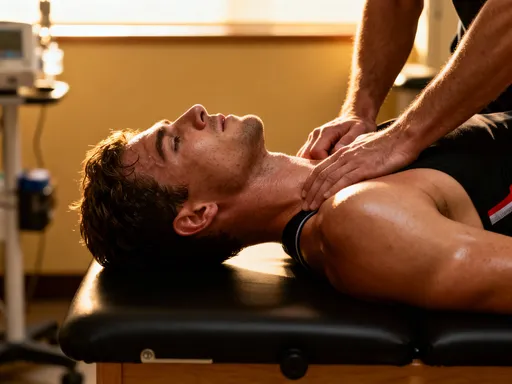
Massage therapy is often misunderstood as a luxury or a way to unwind after a long week. While relaxation is a benefit, its role in rehabilitation is far more functional and targeted. In the context of recovery, massage is not about indulgence—it’s a therapeutic tool used to improve tissue health, support mobility, and reduce barriers to healing. Unlike a spa massage, which may focus on general comfort, clinical massage therapy is tailored to individual needs, often working in coordination with physical therapists, doctors, or chiropractors to support specific recovery goals.
There are several techniques used in therapeutic massage, each serving a different purpose in the recovery process. Swedish massage, one of the most common forms, uses long, flowing strokes to increase circulation and promote relaxation. It’s often recommended in the early stages of recovery when inflammation is still present, as it encourages blood flow without applying excessive pressure. Deep tissue massage goes further, targeting the deeper layers of muscle and connective tissue. It’s particularly helpful for individuals dealing with chronic tension, scar tissue, or long-standing postural imbalances that may be contributing to pain or limited movement.
Another valuable technique is myofascial release, which focuses on the fascia—the web-like connective tissue that surrounds muscles, organs, and bones. When fascia becomes tight or restricted due to injury or overuse, it can limit mobility and contribute to pain. Myofascial release uses gentle, sustained pressure to release these restrictions, helping to restore natural movement patterns. This method is especially beneficial for those recovering from repetitive strain injuries or surgeries where scar tissue has formed. It’s not always comfortable during the session, but many report improved flexibility and reduced discomfort afterward.
Other specialized forms, such as trigger point therapy, target specific knots or tight areas in muscles that refer pain to other parts of the body. For example, a trigger point in the shoulder might cause pain that radiates down the arm. By applying focused pressure to these points, therapists can help deactivate them, reducing referred pain and improving muscle function. These techniques are not one-size-fits-all; a skilled therapist will assess the individual’s condition and choose the most appropriate method based on their stage of healing, pain levels, and overall goals.
Why It Works: The Science Behind the Touch
The effectiveness of massage therapy in recovery is not just anecdotal—it’s supported by growing scientific evidence. One of the most well-documented benefits is its ability to reduce inflammation. A study published in the journal Science Translational Medicine found that massage therapy after intense exercise decreased the production of inflammatory cytokines and increased mitochondrial biogenesis, which supports muscle recovery at the cellular level. This means that massage doesn’t just soothe sore muscles—it actively helps them repair and adapt, much like how exercise stimulates growth but in a gentler, restorative way.
Another key mechanism is improved circulation. Blood carries oxygen and nutrients to damaged tissues, which are essential for healing. Massage enhances blood flow to targeted areas, helping to flush out metabolic waste products like lactic acid that can accumulate after injury or overuse. This increased circulation also supports the delivery of immune cells to the site of injury, promoting faster tissue repair. Additionally, massage stimulates the lymphatic system, which plays a crucial role in removing excess fluid and toxins from the body. This is particularly helpful in cases of swelling or edema, where fluid buildup can slow recovery and increase discomfort.
Massage also has a profound effect on the nervous system. Chronic pain and injury often lead to a state of heightened muscle tension, where the body remains in a protective “guarding” mode. This can create a cycle of pain and stiffness that’s difficult to break. Therapeutic touch helps interrupt this cycle by activating the parasympathetic nervous system—the part responsible for rest and relaxation. When this system is engaged, heart rate slows, breathing deepens, and muscles begin to release tension. Over time, regular massage can help retrain the nervous system to respond more calmly to movement, reducing hypersensitivity and improving overall comfort.
Furthermore, research has shown that massage can increase the production of endorphins and serotonin—natural chemicals in the brain that regulate mood and pain perception. This explains why many people report not only physical relief but also improved sleep and reduced anxiety after sessions. Better sleep, in particular, is critical for recovery, as tissue repair occurs primarily during deep sleep cycles. By supporting both physical and mental well-being, massage therapy addresses multiple aspects of healing in a way that few other interventions can.
Building a Systematic Approach: Timing, Frequency, and Goals
One of the biggest misconceptions about massage therapy is that a single session can produce lasting change. While one treatment may offer temporary relief, true benefits come from consistency and integration into a broader recovery plan. Just as physical therapy requires multiple sessions to build strength and mobility, massage therapy works best when applied systematically. The key is to treat it not as an occasional treat, but as a regular component of rehabilitation—like nutrition, exercise, or rest.
Timing matters. For example, scheduling a massage too soon after intense physical therapy or strenuous activity might increase soreness, while having it at the right moment can enhance recovery. Many find it helpful to receive a session 24 to 48 hours after a challenging workout or therapy appointment, allowing time for initial inflammation to settle while still benefiting from increased circulation and muscle relaxation. Others prefer weekly or biweekly sessions to maintain progress and prevent tension from building up again. The ideal frequency depends on the individual, the nature of the injury, and the stage of healing.
A useful framework for integrating massage into recovery is the assess, apply, adjust model. First, assess your current condition—what areas are tight, where is pain located, and how is mobility progressing? This can be done with the help of a healthcare provider or therapist. Next, apply massage therapy with a clear goal in mind, such as reducing shoulder tension, improving hip flexibility, or supporting lower back healing. Finally, adjust based on results. If range of motion improves, pain decreases, or sleep quality increases, the approach is working. If not, it may be necessary to modify the technique, frequency, or timing in consultation with a professional.
Setting measurable goals can also enhance accountability and motivation. Instead of vague intentions like “feel better,” aim for specific outcomes such as “increase shoulder rotation by 15 degrees within four weeks” or “reduce nighttime pain from a 6 to a 3 on a 10-point scale.” Tracking progress through journaling or physical assessments helps identify patterns and ensures that massage is contributing meaningfully to recovery. When used with intention, it becomes more than a passive treatment—it becomes an active tool for healing.
Real Effects I’ve Experienced (And Science Agrees)
When I first started massage therapy, I wasn’t sure what to expect. I had tried medications, stretches, and physical therapy, but something was still missing. After several sessions, I began to notice subtle but meaningful changes. The first was improved sleep. I used to wake up multiple times a night due to stiffness in my lower back and hips. After consistent massage, I found myself sleeping through the night more often, waking up with less stiffness, and feeling more rested. This wasn’t just a coincidence—research shows that massage increases delta sleep, the deepest and most restorative stage of the sleep cycle, which is essential for tissue repair.
Another significant improvement was in my range of motion. I had been struggling with tight hamstrings and limited hip flexion, which made daily activities like bending down or climbing stairs uncomfortable. My therapist used a combination of deep tissue work and myofascial release on my glutes and hip flexors. Over time, I noticed I could bend further without pain, and my walking posture improved. A study in the Journal of Sports Science & Medicine supports this, showing that regular massage significantly increases flexibility in major muscle groups, especially when combined with stretching.
Perhaps the most impactful change was the reduced reliance on pain relief. I used to take over-the-counter pain medication regularly, especially after physical therapy sessions. As my muscle tension decreased and my body began to heal more efficiently, I found I needed these medications less often. This wasn’t because the pain disappeared overnight, but because my body’s response to strain became more balanced. My nervous system was less reactive, and my muscles were better able to handle daily stress. This aligns with findings from the Annals of Internal Medicine, which reported that patients with chronic low back pain who received massage therapy had greater pain reduction and functional improvement compared to those who received usual care alone.
These changes didn’t happen immediately, and they weren’t dramatic overnight. But over weeks and months, they added up to a noticeable improvement in my quality of life. I could play with my children without wincing, sit through meals without shifting constantly, and walk longer distances without fatigue. These may seem like small victories, but for someone who had been in pain for months, they were life-changing. The combination of personal experience and scientific backing reinforced my belief that massage therapy, when used consistently and correctly, can be a powerful part of recovery.
Working With Professionals: The Smart Way to Start
Safety is the foundation of any effective recovery plan. Before beginning massage therapy—especially after an injury, surgery, or diagnosis of a chronic condition—it’s essential to consult with a healthcare provider. Certain conditions, such as blood clots, fractures, infections, or recent surgeries, may require special precautions or make massage temporarily inadvisable. A doctor or physical therapist can help determine whether massage is appropriate and guide you on when and how to start.
When choosing a massage therapist, look for someone who is licensed and trained in clinical or therapeutic massage, not just spa techniques. A qualified professional will ask about your medical history, current symptoms, and recovery goals before beginning treatment. They should be willing to communicate with your other healthcare providers if needed and adjust their approach based on your condition. It’s also important to be honest about your pain levels and any discomfort during the session—good therapists welcome feedback and will modify pressure or technique accordingly.
Setting realistic expectations is equally important. Massage therapy is not a miracle cure, and it should never replace medical treatment. Instead, it works best as a complementary strategy—something that supports, enhances, and accelerates the healing process. Some people expect immediate, dramatic results, but healing takes time. Progress may be gradual, and some sessions might feel uncomfortable before they bring relief. Understanding this helps prevent disappointment and encourages patience and consistency.
Finally, communication is key. If you’re working with both a physical therapist and a massage therapist, consider sharing your treatment plans with both. This ensures coordination of care and prevents conflicting approaches. For example, if your physical therapist is focusing on strengthening a particular muscle group, your massage therapist can avoid over-relaxing it and instead work on surrounding areas that may be contributing to tension. This level of integration makes recovery more efficient and effective.
Beyond the Table: Lifestyle Synergy for Better Recovery
Massage therapy delivers the best results when combined with supportive daily habits. Think of it as one piece of a larger puzzle—important, but not sufficient on its own. Hydration is a simple yet powerful factor. Muscles function best when they are well-hydrated, and water helps flush out metabolic byproducts released during massage. Drinking plenty of water before and after a session can reduce post-massage soreness and support tissue health.
Movement is another critical element. While rest is necessary, prolonged inactivity can lead to stiffness and weaken recovery. Gentle movement such as walking, stretching, or range-of-motion exercises helps maintain circulation and prevents muscles from tightening again after a massage. Many therapists recommend light stretching immediately after a session to take advantage of increased muscle pliability. Incorporating these habits into daily life creates a positive feedback loop—massage loosens tissues, movement maintains flexibility, and recovery progresses steadily.
Rest and sleep, as previously mentioned, are non-negotiable for healing. The body repairs itself during deep sleep, so prioritizing good sleep hygiene—consistent bedtime, limited screen time, a comfortable environment—can amplify the benefits of massage. Stress management also plays a role. High stress levels increase muscle tension and activate the sympathetic nervous system, counteracting the calming effects of massage. Practices like deep breathing, meditation, or gentle yoga can help sustain the relaxed state achieved during a session.
Finally, listening to your body is perhaps the most important habit. Pain is a signal, not just a symptom. Learning to distinguish between discomfort that’s part of healing and pain that indicates overuse is crucial. Massage can help improve body awareness by making you more attuned to tension, alignment, and movement patterns. When combined with mindful habits, it fosters a deeper connection between mind and body—one that supports long-term resilience and well-being.
Massage therapy isn’t a cure-all, but when used systematically, it can be a powerful ally in rehabilitation. My journey taught me that healing isn’t just about fixing an injury—it’s about rebuilding strength, confidence, and quality of life. With professional guidance and consistent effort, this approach can help others move forward, one intentional step at a time.