How I Synced My Life Rhythm with Yoga and TCM—And Why It Changed Everything
Ever feel like your energy crashes at random times, or your mood swings for no reason? I did—until I started tuning into my body’s natural rhythm. Blending simple yoga meditation with traditional Chinese medicine wisdom, I found a way to stay balanced without drastic changes. It’s not about perfection, but flow. This is how I learned to move with my energy, not against it—and how you can too.
The Problem: Living Out of Sync
Modern life moves fast, and most of us are running on rhythms that no longer match our biology. We wake to alarms instead of sunlight, eat meals between meetings, and scroll through screens long after dark. This constant mismatch between our daily habits and our body’s internal clock—known scientifically as the circadian rhythm—leads to a slow but steady erosion of energy, mood, and resilience. Fatigue, irritability, poor digestion, and trouble falling asleep are not just signs of being busy. They are signals that something deeper is out of balance.
The human body evolved to rise with the sun and rest with the moon. It thrives on regularity: consistent sleep, mindful eating, and periods of activity followed by true rest. Yet today, many people live in a state of perpetual overstimulation. The nervous system remains in high alert, mistaking work deadlines and digital notifications for real threats. Over time, this chronic stress disrupts hormone production, weakens immunity, and clouds mental clarity. The result is burnout—often mistaken for normal life.
But wellness is not about doing more. It’s about aligning with the natural cycles already within us. The concept of life rhythm goes beyond productivity or fitness. It’s about honoring the body’s innate intelligence. When we live in harmony with our biological timing, we don’t just survive—we feel more present, grounded, and capable of handling daily challenges with grace. Reconnecting with this rhythm isn’t a luxury. It’s a return to what our bodies have always known.
Roots in Traditional Chinese Medicine: The Body’s Inner Clock
For thousands of years, traditional Chinese medicine (TCM) has emphasized balance as the foundation of health. At its core is the belief that energy, known as Qi (pronounced “chee”), flows through the body along specific pathways called meridians. This flow follows a precise 24-hour cycle, with each of the major organ systems receiving peak energy for two hours during the day. This is often referred to as the TCM body clock, and understanding it offers a powerful lens for daily self-care.
For example, the liver is most active between 1 a.m. and 3 a.m. This is not just a random timeframe—it’s when the body works to detoxify the blood and process emotions. If you consistently wake during these hours, TCM suggests an imbalance in the liver system, possibly linked to stress, poor diet, or repressed feelings. Similarly, the lungs govern the period from 3 a.m. to 5 a.m., a time associated with grief and letting go. Difficulty breathing or waking with sadness may point to unresolved emotional patterns.
Other key times include the large intestine from 5 a.m. to 7 a.m., ideal for elimination and starting the day with clarity; the stomach from 7 a.m. to 9 a.m., the best window for a nourishing breakfast; and the heart from 11 a.m. to 1 p.m., when energy is high and focus sharp. By aligning daily activities with these natural peaks—eating when digestion is strong, resting when energy dips—we support the organs in their work.
TCM also teaches that the body mirrors nature. Just as trees shed leaves in autumn and animals hibernate in winter, humans benefit from adjusting their routines with the seasons. In colder months, this means favoring warm, cooked foods and restful practices. In summer, lighter meals and more physical activity are appropriate. Living in tune with these cycles strengthens immunity, stabilizes mood, and fosters long-term vitality. It’s not about rigid rules, but about listening and responding with care.
Yoga Meditation as a Reset Button
Yoga is often seen as a form of exercise, but its deepest benefits lie in its ability to regulate the nervous system. Through mindful movement and breath awareness, yoga meditation helps shift the body from the sympathetic state—commonly known as fight-or-flight—into the parasympathetic state, or rest-and-digest mode. This shift is essential for recovery, healing, and emotional balance.
When stress activates the sympathetic nervous system, the body releases cortisol and adrenaline, increasing heart rate and sharpening focus for immediate survival. But when this state becomes chronic, it drains energy and weakens resilience. Yoga meditation counters this by stimulating the vagus nerve, which acts as a brake on the stress response. Simple practices like diaphragmatic breathing, gentle stretching, and body scans send signals of safety to the brain, allowing the system to reset.
Even five to ten minutes of daily practice can make a noticeable difference. A morning routine of slow breaths and gentle spinal twists can awaken the body without jarring it. An evening sequence of forward folds and restorative poses can prepare the mind for deep sleep. The key is consistency, not intensity. Over time, these small moments of stillness retrain the nervous system to stay calm under pressure, improving focus, digestion, and emotional regulation.
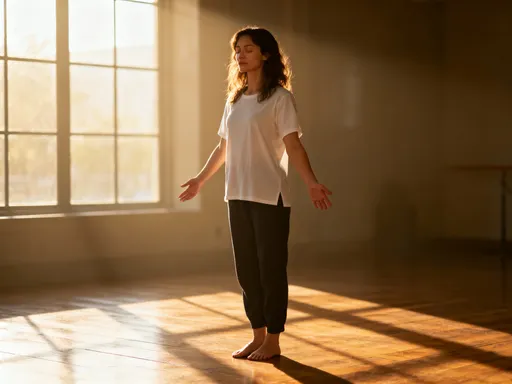
Unlike high-intensity workouts that can further stress an already taxed system, yoga meditation meets the body where it is. It doesn’t demand perfection or flexibility. It invites presence. Whether sitting quietly with eyes closed or moving slowly through a few poses, the act of tuning in—of noticing the breath, the sensations, the thoughts—creates space between stimulus and reaction. That space is where healing begins.
Merging Two Worlds: Where TCM Meets Mindful Movement
At first glance, yoga and traditional Chinese medicine may seem like separate traditions. One originated in India, the other in China. But when examined closely, they share a common goal: restoring balance by working with the body’s natural energy. When combined, they offer a holistic approach to wellness that is both ancient and deeply practical.
In TCM, emotional and physical health are intertwined. Each organ is linked not only to a physical function but also to an aspect of the spirit. For example, the liver governs the smooth flow of Qi and is associated with anger and frustration when blocked. The heart houses the Shen, or spirit, and when imbalanced, can lead to anxiety or restlessness. Yoga meditation supports these systems by releasing tension, calming the mind, and improving circulation of energy throughout the body.
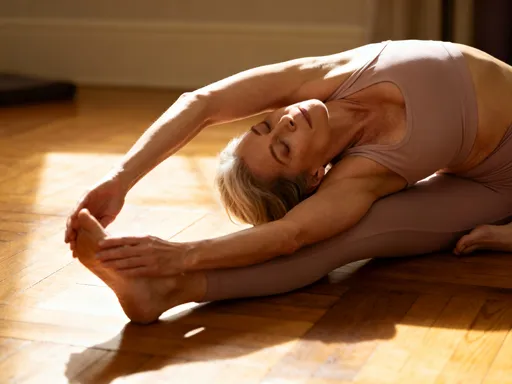
Specific yoga practices can be aligned with TCM principles to enhance their effects. Gentle twisting poses, such as seated spinal twist or supine twist, gently compress and release the liver and gallbladder meridians, supporting detoxification and emotional release. Forward bends like child’s pose or seated forward fold calm the nervous system and benefit the kidneys, which in TCM are linked to vitality and fear regulation. Inversions, even mild ones like legs-up-the-wall, encourage blood flow to the heart and support the Shen.
Breathwork, or pranayama, also plays a crucial role. Deep belly breathing activates the diaphragm, which massages the spleen and stomach—organs central to digestion and energy production in TCM. Alternate nostril breathing balances the left and right hemispheres of the brain and calms the mind, supporting the heart and pericardium meridians. By linking breath and movement to specific organ systems, yoga becomes a form of moving meditation that honors the body’s inner wisdom.
Timing enhances this synergy. Practicing liver-supportive poses in the evening, when the body begins its detox phase, can improve sleep and emotional balance. Morning breathwork aligns with the lung’s peak time, helping to clear stagnation and start the day with intention. This mindful alignment doesn’t require complex routines—just awareness and small, intentional choices.
A Simple Daily Rhythm Anyone Can Follow
Living in rhythm doesn’t require a complete lifestyle overhaul. It begins with small, sustainable habits that support the body’s natural cycles. A simple daily flow can be adapted to any schedule, whether you’re a working parent, a caregiver, or managing a busy household. The goal is not perfection, but consistency and awareness.
Start the day with breathwork. Upon waking, before reaching for your phone, take five minutes to lie in bed and practice deep belly breathing. Inhale slowly through the nose, allowing the abdomen to rise, then exhale fully. This signals safety to the nervous system and gently activates the digestive organs. If possible, open a window or step outside to greet the morning light. Natural sunlight helps reset the circadian clock, boosting alertness and regulating melatonin for better sleep later.
Within the first hour of waking, enjoy a warm beverage—herbal tea, warm water with lemon, or a simple broth. This supports the stomach’s peak time and encourages healthy digestion. A light yoga sequence of sun salutations or gentle stretches can awaken the body without strain. Focus on smooth, connected movements and steady breath. Even ten minutes can set a calm tone for the day.
At midday, when energy may dip, take a short walk or do a few standing stretches. This helps circulate Qi and prevent stagnation, especially if you’ve been sitting for long periods. A brief meditation—three to five minutes of focused breathing—can clear mental fog and improve decision-making. Eat your largest meal between 11 a.m. and 1 p.m., when the spleen and stomach are most active. Choose whole, nourishing foods that are easy to digest.
In the evening, shift into rest mode. Avoid screens at least an hour before bed, as blue light suppresses melatonin. Instead, practice a gentle wind-down routine: a warm bath, light stretching, or a seated meditation. Focus on the breath and release the day’s tensions. This supports the liver’s nighttime work of detoxifying both the body and emotions. Going to bed before 11 p.m. honors the gallbladder’s role in decision-making and helps ensure restful sleep.
Real Results Without the Hype
The benefits of syncing with your body’s rhythm are not dramatic or immediate, but they are profound over time. Many women who adopt these practices report steadier moods, fewer afternoon energy crashes, and improved digestion. Sleep becomes deeper and more restorative. Mental clarity returns, not from stimulants, but from a nervous system that is no longer overwhelmed.
One of the most common changes is emotional resilience. When the liver Qi flows smoothly, irritability and frustration lessen. When the heart is calm, anxiety decreases. These shifts are not due to willpower, but to the body functioning as it was designed. Wellness becomes less about fixing problems and more about maintaining balance before issues arise.
What makes this approach sustainable is its gentleness. Unlike extreme diets or intense fitness regimens, this method does not rely on deprivation or force. It works with the body, not against it. Small habits—five minutes of breathwork, a mindful meal, an early bedtime—accumulate into lasting change. The key is regularity, not intensity. Missing a day is not failure; it’s an invitation to return, without judgment.
Over weeks and months, many notice they rely less on external crutches—caffeine, sugar, sleep aids. Energy becomes more stable. Focus improves. Even relationships benefit, as emotional reactivity decreases and presence increases. These outcomes are not marketed as miracles, but they are real, achievable, and deeply nourishing.
Making It Last: Weaving Wellness Into Real Life
The biggest obstacle to lasting change is not lack of knowledge, but the demands of daily life. Family responsibilities, work pressures, and unexpected events can derail even the best intentions. The secret to sustainability is not rigid discipline, but flexibility and self-compassion. Wellness is not a destination, but a rhythm you return to, again and again, like the tide.
When time is short, scale back. A one-minute breathing exercise still counts. A five-minute stretch still helps. The goal is not to complete a perfect routine, but to stay connected. On busy days, simply pausing to take three deep breaths before a meal or before bed can restore balance. These micro-moments of awareness are powerful.
Motivation will ebb and flow—that’s normal. Instead of pushing through resistance, listen to your body. Some days call for energizing movement; others require rest. Honor that. A restorative yoga pose or a quiet cup of tea can be just as healing as a full practice. Trust that even small acts of care add up.
Finally, remember that this is not about adding more to your plate. It’s about shifting how you move through your day. By aligning with your natural rhythm, you create space for more energy, calm, and clarity—without chasing quick fixes. You begin to live not in reaction, but in harmony. And that, more than any single practice, is the heart of true wellness.
True wellness isn’t about quick fixes, but sustainable alignment. By blending ancient wisdom with accessible practices, we can live in tune with our body’s natural flow—finding more energy, calm, and clarity in everyday life.